Mapping Respin Accumulation Trends in Progressive Jackpot Slots Under Mobile Data Limits
Olivia Otto · Oct 20, 2026
Mapping Respin Accumulation Trends in Progressive Jackpot Slots Under Mobile Data Limits
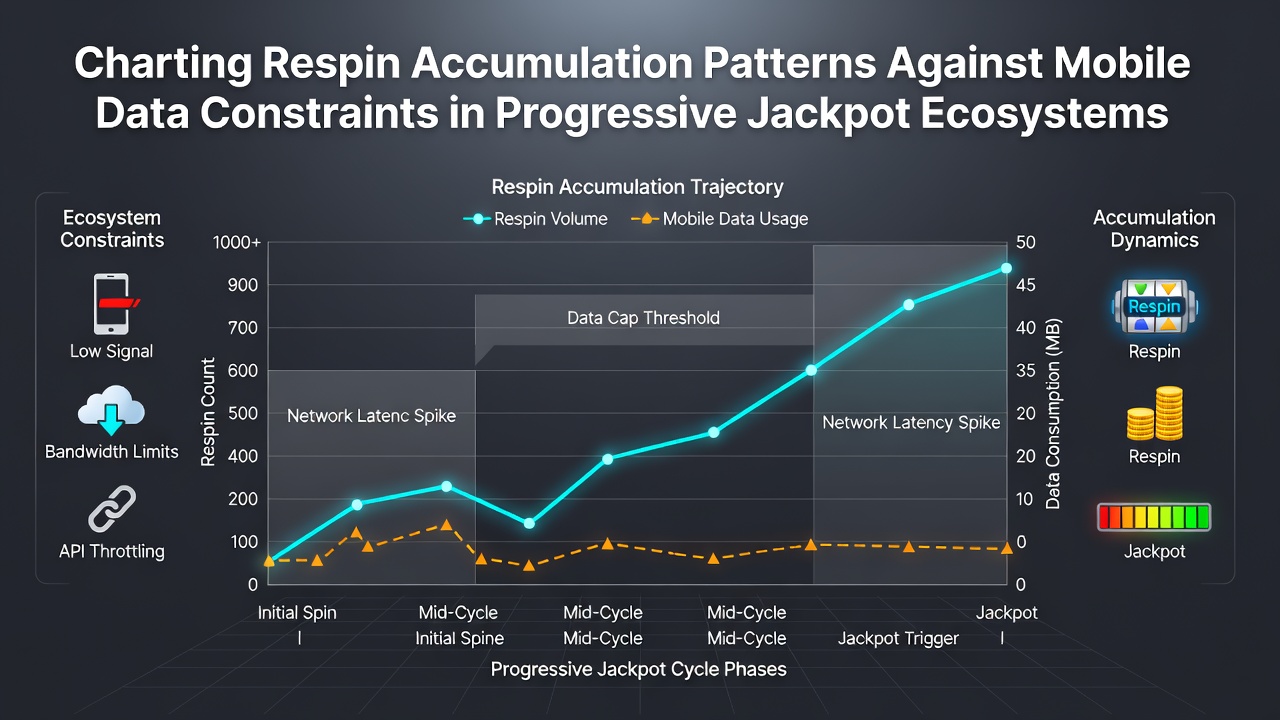
Progressive jackpot ecosystems rely on respin mechanics that build toward larger prize pools, yet mobile data constraints shape how these patterns unfold across devices. Operators track accumulation sequences because each respin cycle consumes bandwidth through real-time updates to shared jackpot meters. Research from the University of Nevada Reno Gaming Innovation Lab shows that average respin chains in mobile progressive titles extend between four and seven cycles before a reset occurs, with data packets averaging 12 to 18 kilobytes per interaction.
Respin Mechanics and Accumulation Data
Hold and win formats trigger respins when special symbols land, locking those symbols in place while additional spins play out. Accumulation patterns emerge when multiple respin rounds stack symbols toward jackpot thresholds. Data from Australian Communications and Media Authority reports indicate that mobile sessions handling these features transfer between 45 and 65 megabytes over a typical 30-minute play period when graphics and meter updates run at full resolution. Developers adjust animation speeds and meter refresh rates to reduce packet sizes, which in turn alters how frequently players observe live jackpot growth during respin sequences.
Network conditions further influence these patterns. When signal strength drops, some platforms delay jackpot meter synchronization until bandwidth stabilizes, creating visible pauses in accumulation displays. Those pauses affect player perception of momentum because the visual climb toward the next jackpot level slows or stalls. Studies compiled by the European Gaming and Betting Association document that compression techniques applied to progressive displays cut data usage by up to 30 percent without changing the underlying probability tables that govern symbol outcomes.
Mobile Data Constraints and Session Behavior
Carriers impose data caps that prompt users to toggle between Wi-Fi and cellular connections mid-session. Each switch can interrupt the continuous flow of respin data because cached jackpot values must reconcile with server-side totals once reconnection occurs. Observers note that reconciliation events occasionally produce brief spikes in displayed jackpot amounts when accumulated contributions from other players reach the device after a delay. These spikes remain factual outcomes of network latency rather than changes to the random number generator itself.
Platform optimizations address this issue through incremental data loading. Instead of pushing full meter graphics every spin, systems transmit only delta values that represent the change since the last update. This approach reduces per-respin data load to roughly 2 to 4 kilobytes, according to internal metrics shared by several major game studios. Players on limited plans therefore experience longer uninterrupted respin chains before hitting their data allowance.
Progressive Ecosystem Adjustments in Late 2026
By October 2026, several North American and European operators had rolled out adaptive bitrate streaming for progressive jackpot visuals. The change allows the same accumulation pattern to render at different quality levels depending on available bandwidth. Lower bitrates preserve the sequence of symbol locks and respin triggers while trimming image fidelity. Figures released by the Nevada Gaming Control Board confirm that titles using adaptive streaming maintained identical return-to-player percentages across both high- and low-bandwidth modes.
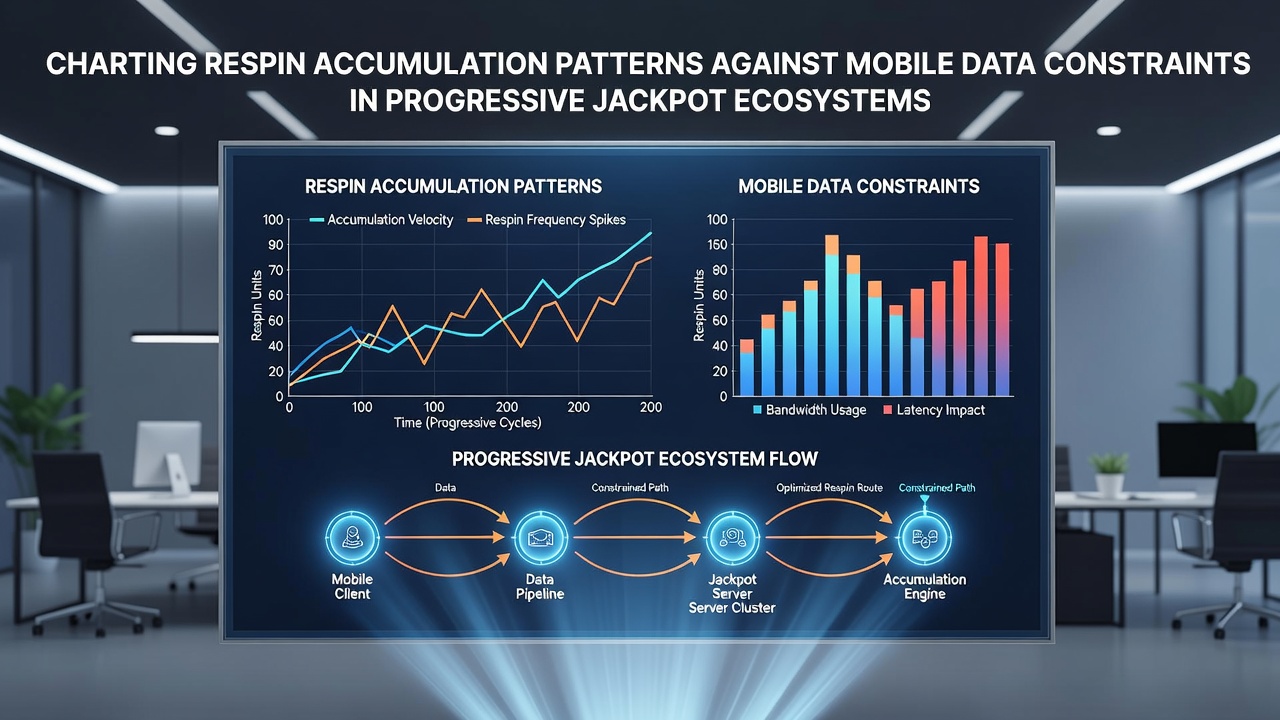
Device storage also plays a role. Cached symbol assets reduce the need to download new graphics during each respin round, yet older phones with limited storage clear those caches more aggressively. When caches clear, the next accumulation sequence reloads assets, adding several hundred kilobytes to total session data. Analysts at teh Canadian Gaming Association have tracked these reload events and found they occur more frequently on devices older than four years.
Cross-Platform Pattern Consistency
Consistency across platforms matters because progressive jackpots aggregate contributions from both desktop and mobile play. When mobile sessions contribute fewer data-heavy updates due to bandwidth throttling, the overall accumulation rate for the shared prize pool remains governed by the same mathematical model. The visible meter on a desktop screen continues to climb at the expected pace even if a mobile user sees delayed updates. This separation between backend accumulation and frontend display keeps the ecosystem fair while accommodating varying network environments.
Case examples from multi-jurisdictional operators illustrate the point. One studio reported that after implementing delta-only meter updates, average mobile session length increased by 11 percent before users encountered data warnings. The same update produced no measurable change in jackpot hit frequency because the random outcomes stayed independent of transmission timing.
Conclusion
Respin accumulation in progressive jackpot ecosystems continues to adapt to mobile data realities through compression, adaptive streaming, and incremental loading methods. Regulatory bodies in multiple regions record stable mathematical integrity across these technical adjustments. Continued monitoring of bandwidth usage alongside accumulation sequences provides operators with the metrics needed to maintain consistent player experiences regardless of connection quality.