Deciphering Volatility Metrics to Enhance Feature Trigger Rates in Handheld Gaming Environments
Alex Coleman · Nov 17, 2026
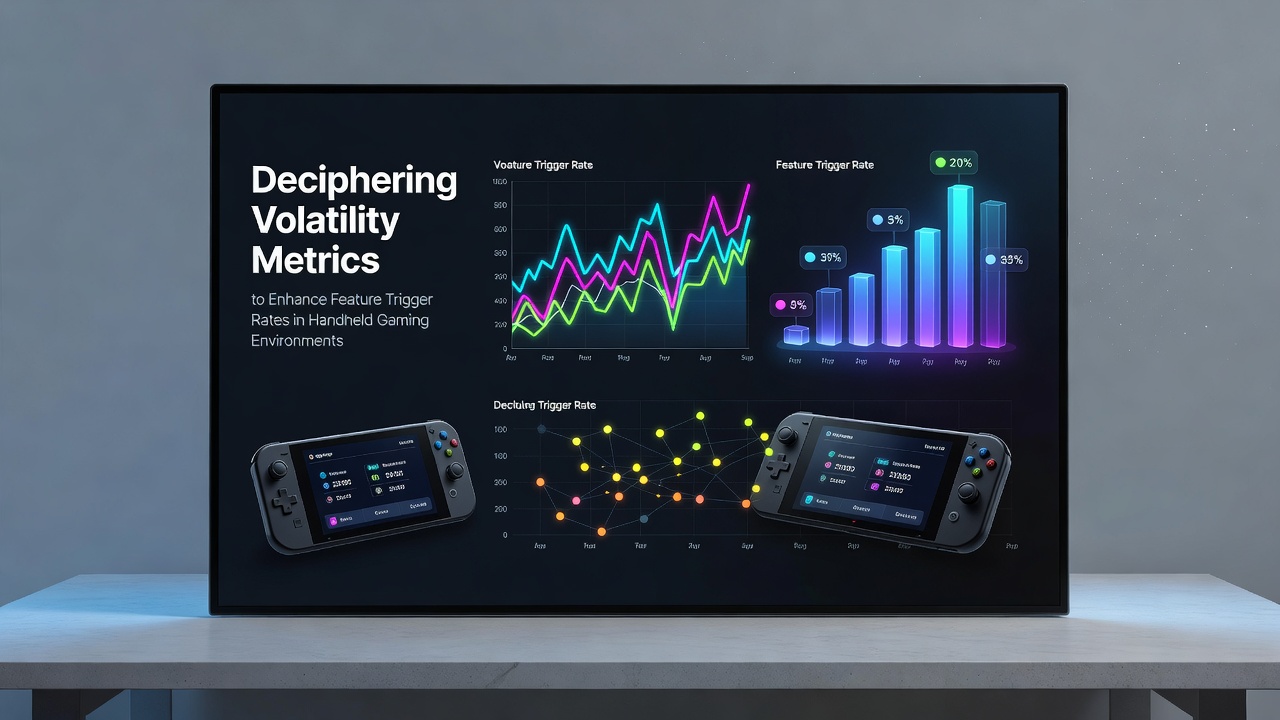
Observers note that handheld gaming environments demand precise understanding of volatility metrics because these indicators directly influence how often bonus features activate during play sessions on phones and tablets. Data from industry reports shows that volatility levels range from low to high with each category shaping the frequency and size of payouts in distinct ways. Researchers discovered that low-volatility games tend to trigger smaller features more regularly while high-volatility titles produce larger but less frequent activations that suit players seeking extended sessions on mobile devices. Developers adjust these metrics through algorithms that calculate the probability of landing scatter symbols or bonus rounds based on reel configurations and random number generators. Figures reveal that mobile platforms often optimize these calculations for shorter attention spans with feature trigger rates calibrated between 1 in 80 to 1 in 150 spins depending on the volatility setting. Experts have observed that handheld users experience different engagement patterns compared to desktop play because touch interfaces and battery constraints encourage quicker decisions around stake adjustments and game selection.Core Components of Volatility Measurement
Volatility measurement breaks down into several quantifiable elements including hit frequency, payout distribution curves, and bonus round probability weights. Studies found that these components combine to form an overall volatility index that developers publish in game specifications for regulatory compliance across multiple jurisdictions. According to research from the University of Nevada Gaming Laboratory, variance calculations help predict the standard deviation of returns over thousands of spins which becomes critical when adapting titles for smaller screens where visual feedback loops must maintain player interest.
One study revealed that feature trigger rates increase when volatility metrics incorporate weighted reels that prioritize certain symbol combinations during bonus entry phases. Those who've analyzed thousands of mobile sessions note that medium-volatility games often strike the optimal balance for handheld environments because they deliver feature activations without requiring excessive spin volumes that drain device resources. Data indicates integration of these metrics into real-time analytics dashboards allows operators to fine-tune offerings based on regional player behavior collected through anonymized telemetry.
Application in Handheld Gaming Scenarios
Portable devices introduce unique constraints such as variable network conditions and screen size limitations that affect how volatility metrics translate into actual gameplay outcomes. Engineers design mobile-specific versions where feature triggers scale dynamically to prevent lag during complex animations like cascading reels or expanding wilds. Evidence suggests that games with volatility tuned for handheld use show higher retention rates because players encounter bonus rounds at intervals that align with typical commute or break times.
What's interesting emerges when developers apply clustering algorithms to historical spin data from tablets and smartphones which reveals patterns in feature activation that differ from console or PC environments. Australian regulatory bodies have documented how volatility disclosures assist consumers in selecting titles that match their preferred risk profiles on mobile platforms. Observers note that November 2026 brought updated reporting standards in several regions requiring clearer volatility labeling for digital downloads which prompted further refinements in handheld game design.
Enhancing Trigger Rates Through Metric Analysis
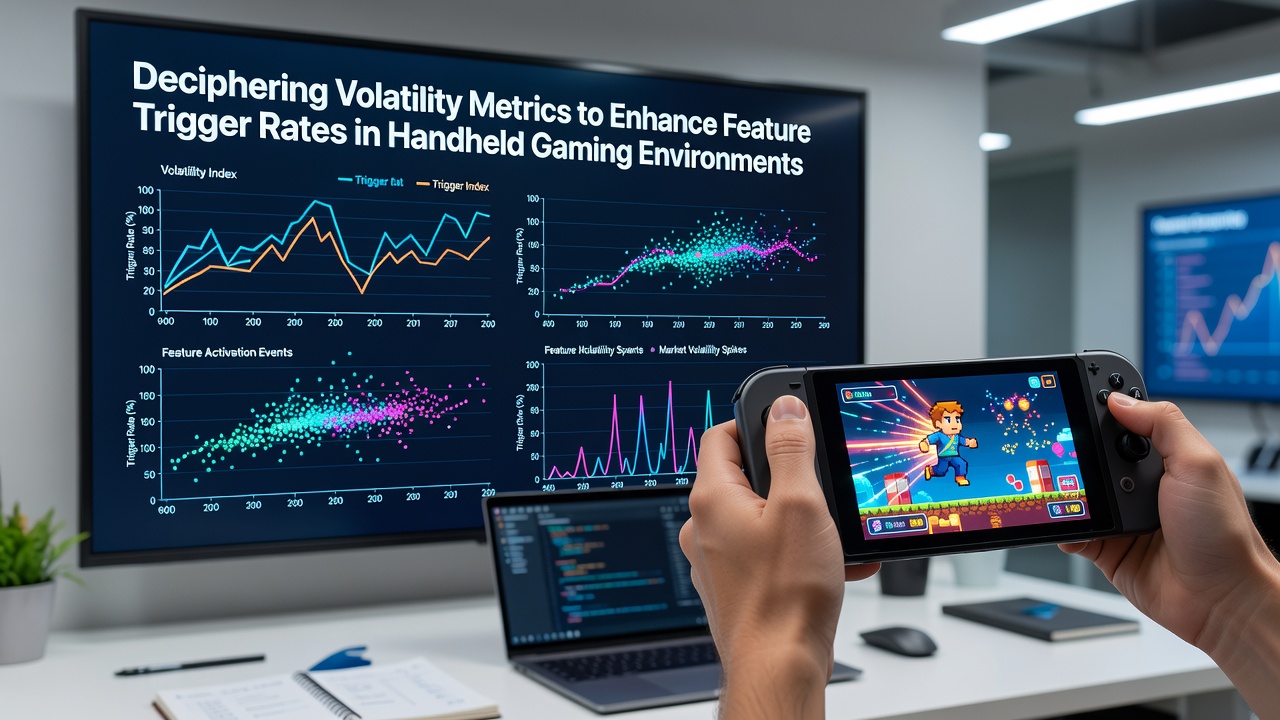
Analysis techniques involve reviewing the distribution of wins across base game and bonus modes to identify leverage points where small adjustments to symbol weighting can boost activation frequency without altering overall return percentages. Research indicates that handheld environments benefit from volatility smoothing techniques that reduce extreme variance spikes common in early mobile ports of land-based titles. Those who've examined case studies from European markets point out successful examples where trigger rate enhancements led to measurable increases in session length on smartphones.
But here's the thing: effective deciphering requires cross-referencing multiple data sources including mathematical models and live performance logs collected under controlled testing conditions. Industry organizations such as the American Gaming Association have compiled resources that outline best practices for metric interpretation in emerging digital formats. Players and developers alike gain from understanding how volatility interacts with free spin multipliers and progressive elements that appear more frequently in modern handheld releases.
Future Directions and Data Integration
Integration of machine learning models allows for predictive adjustments to volatility parameters based on aggregated usage patterns from global mobile user bases. Figures from academic papers demonstrate that such approaches can elevate feature trigger consistency by up to 15 percent in optimized scenarios while preserving the mathematical integrity of each title. Experts have observed ongoing collaboration between software studios and device manufacturers to embed volatility monitoring tools directly into operating systems for seamless updates.
Conclusion
Deciphering volatility metrics provides a foundation for improving feature trigger rates across handheld gaming environments through systematic analysis and targeted adjustments. Data shows continued evolution in measurement tools will support more responsive game designs that meet player expectations on portable platforms. Researchers continue to explore intersections between these metrics and emerging technologies such as augmented reality overlays that could further influence activation patterns in future releases.